
Denture Maintenance & Proper Denture Care
Maintaining your dentures is essential for long-term comfort, function, and oral health. Whether you wear full dentures, partial dentures, or complete dentures supported by dental implants, proper denture care protects your investment and helps prevent complications.
Dentures replace missing teeth and restore your ability to speak and chew with confidence. However, just like natural teeth, they require consistent daily cleaning and attention. With the right home care routine and regular dental checkups, denture wearers can keep their smiles healthy for years.
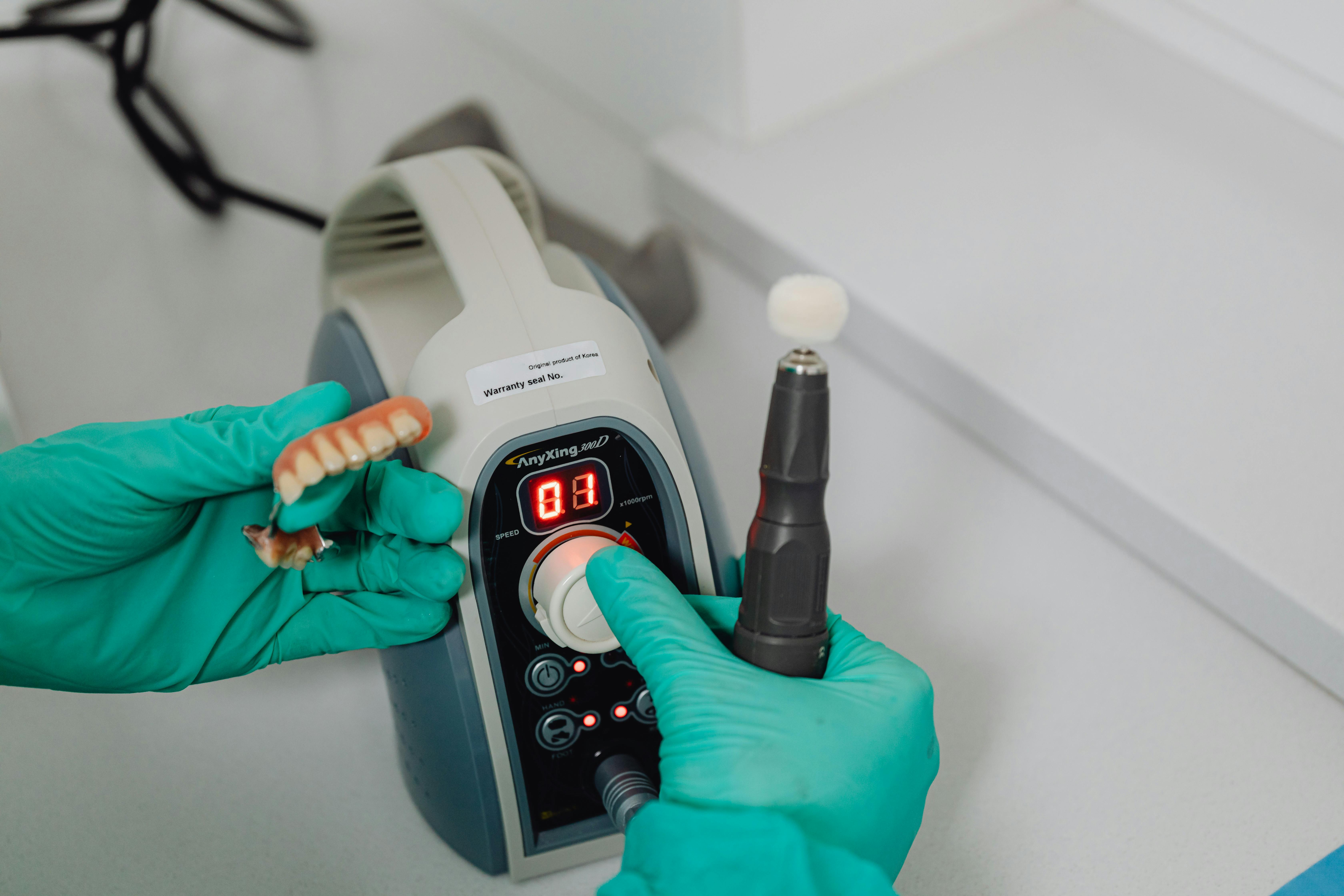
Why Denture Care Matters
Good oral hygiene is just as important for denture wearers as it is for people with natural teeth. Without proper care, dentures can develop plaque buildup, stains, odors, and harmful bacteria. This can lead to gum disease, irritation of the oral tissues, and sore spots along the roof of your mouth or gums.
Practicing proper denture care helps:
Prevent plaque buildup and food debris
Reduce bacteria and odor
Protect oral tissues
Maintain a proper fit
Extend the life of your denture material
Neglecting denture cleaning can also affect your remaining natural teeth if you wear partial dentures. A consistent routine supports total oral health and long-term comfort.
Daily Denture Cleaning Routine
A structured daily cleaning routine is the foundation of effective denture care. Dentures daily should be cleaned thoroughly to remove food particles and prevent buildup.
Follow these steps for proper care:
Rinse Dentures After Eating
Remove and rinse dentures under warm water to wash away loose food debris. Avoid hot water, as it can warp acrylic and other denture materials.
Brush Gently Every Day
Use a soft-bristled toothbrush or soft-bristled brush specifically designed for dentures. A denture brush works well to clean all surfaces, including around clasps on partial dentures. Avoid regular toothpaste, as it may be too abrasive and damage the acrylic surface.
Use a Non-Abrasive Denture Cleanser
Apply a non-abrasive denture cleanser rather than standard toothpaste. Denture cleansers are formulated to clean without scratching the denture material.
Soak Overnight
Most types of dentures should be soaked in a denture-soaking solution or approved cleaning solution when not in use. Keeping dentures overnight in a proper solution helps maintain their shape and prevents them from drying out.
Always follow the manufacturer’s instructions for your specific denture cleanser or denture adhesive products.
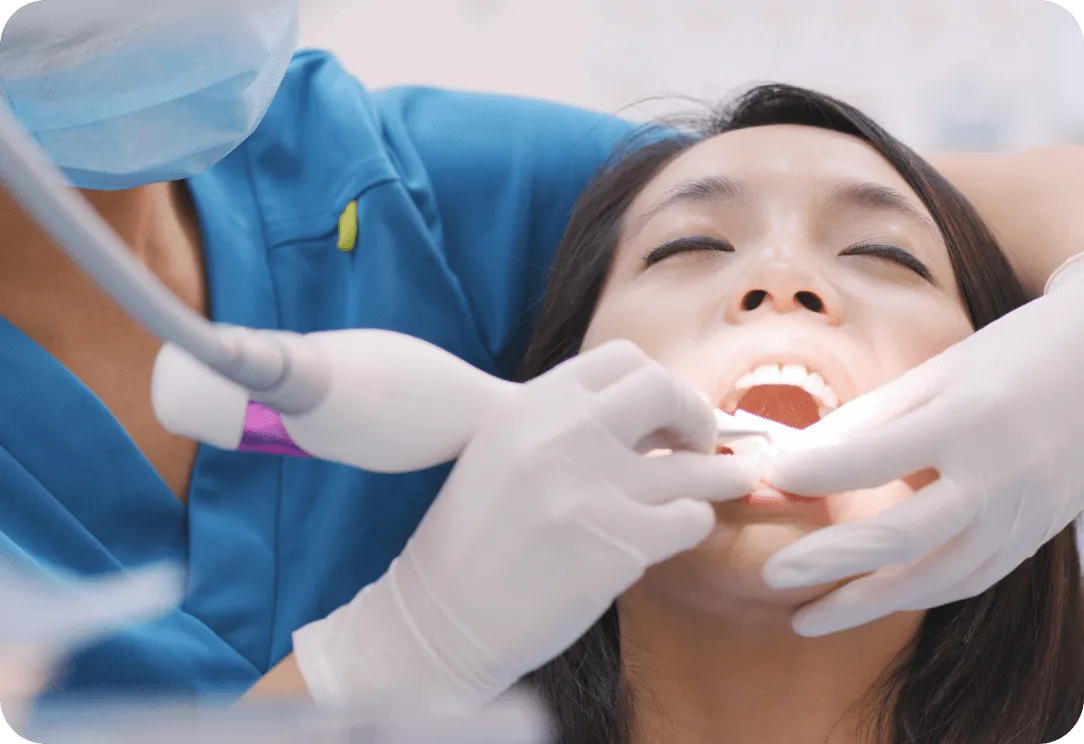

What to Avoid When Cleaning Dentures
Certain cleaning methods can damage your dentures and compromise their proper fit.
Avoid:
Using bleach or bleaching products unless specifically approved
Soaking in boiling water
Rinsing with hot water
Using hard-bristled brushes
Scrubbing with regular toothpaste
Bleach can weaken acrylic and alter the color of your dentures. Boiling water and hot water can warp the denture base, causing ill-fitting dentures and discomfort.
Protecting your denture material ensures long-term durability and comfort.



Caring for Partial Dentures
Partial dentures require special attention because they connect to natural teeth using clasps or attachments. Food particles and plaque buildup can accumulate around these areas.
When cleaning partial dentures:
Carefully brush around clasps
Clean remaining natural teeth thoroughly
Floss daily to protect surrounding teeth
Rinse dentures after meals
Proper denture care helps prevent gum disease and protects the health of your remaining teeth. If plaque buildup develops around natural tooth structures, it can increase the risk of decay and periodontal problems.
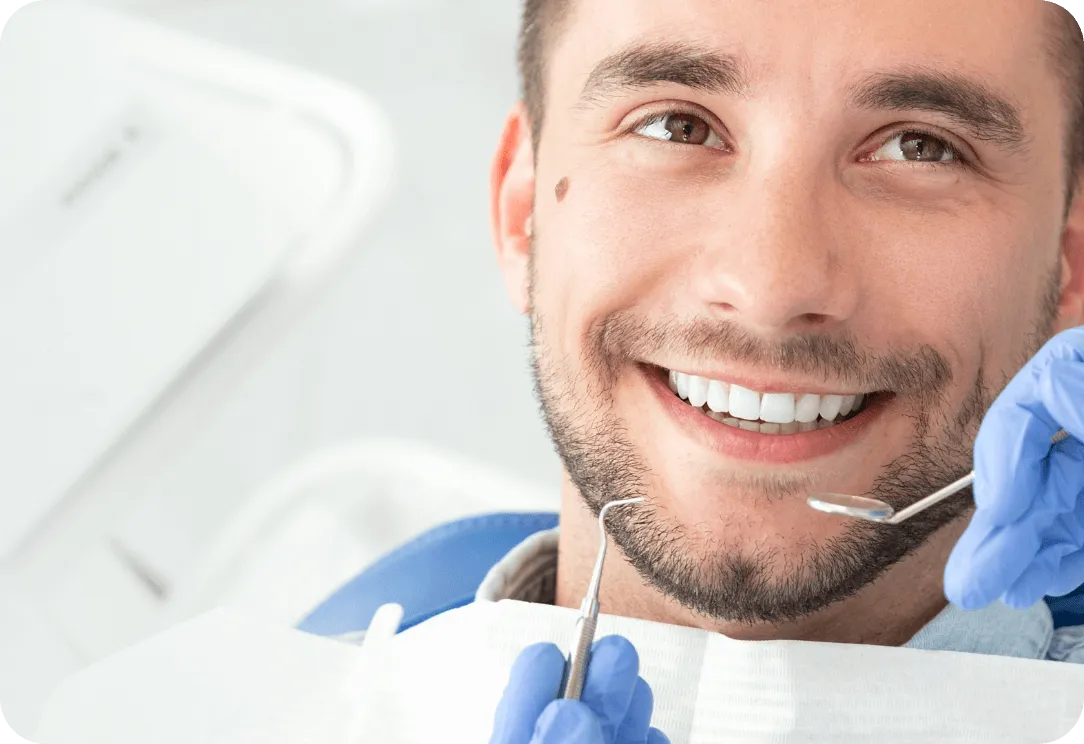

Maintaining Oral Health with Dentures
Even if you wear full dentures, maintaining oral hygiene remains critical. Gently brush your gums, tongue, and the roof of your mouth with a soft-bristle toothbrush each day. This stimulates circulation and removes bacteria.
Wearing dentures does not eliminate the need for professional dental care. Regular dental checkups allow your provider to:
Examine oral tissues
Check for sore spots
Evaluate proper fit
Perform professional cleaning
Assess for signs of gum disease
The ADA recommends ongoing dental care for denture wearers to protect overall oral health and monitor for changes in the mouth.
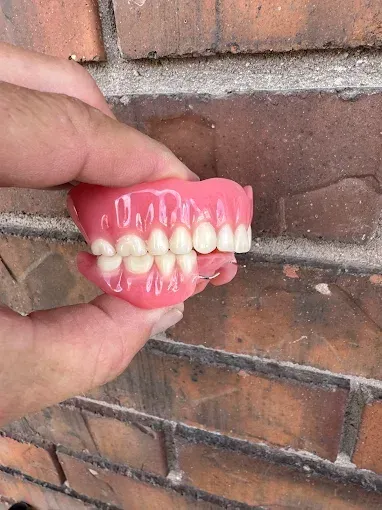

Denture Adhesive & Proper Fit
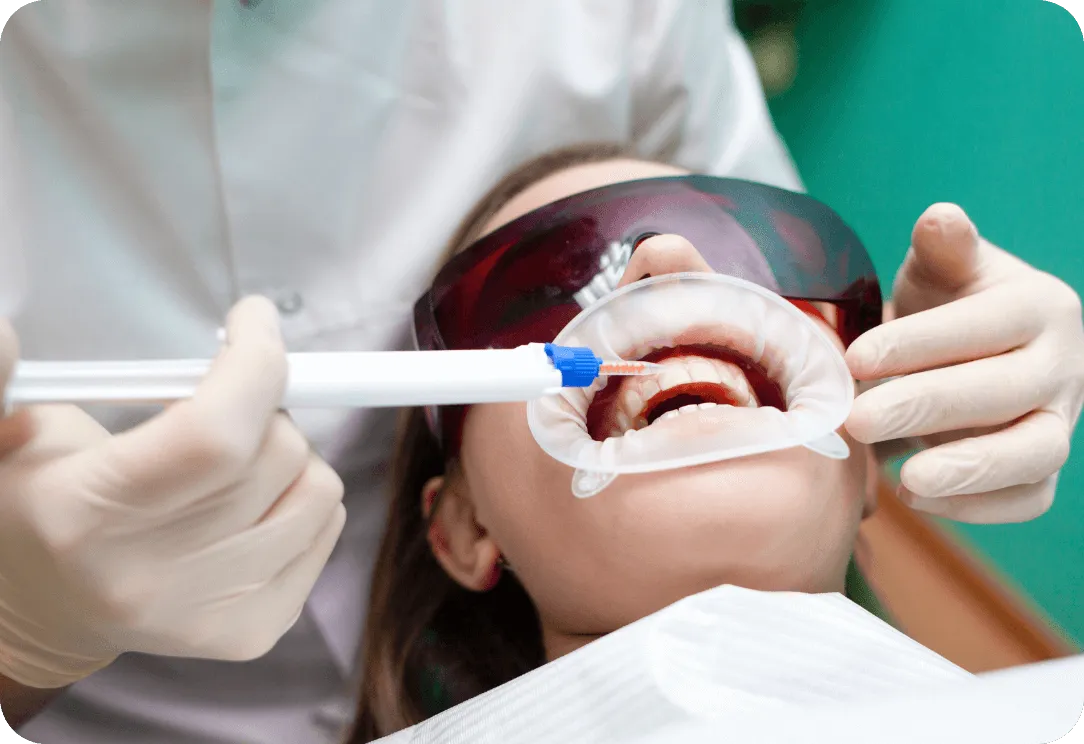
Some patients use denture adhesive to improve stability. While denture adhesives can enhance comfort, they should not be used to compensate for ill-fitting dentures.
If your dentures feel loose, shift while speaking, or cause irritation, you may need a reline or adjustment. Over time, changes in your jawbone and oral tissues can affect the way dentures fit.
A professional reline involves reshaping the underside of the denture to improve contact with your gums. Relining can restore stability and reduce sore spots without requiring a completely new denture.
When to Consider a New Denture
Even with proper denture care, dentures will eventually need replacement. If you experience persistent discomfort, difficulty chewing, or visible damage, it may be time to evaluate your options.
There are different types of dentures available, including:
Full dentures
Complete dentures
Partial dentures
Implant-supported dentures
If your current appliance is worn or damaged, upgrading to a new denture can significantly improve comfort and function.
Hear From Our Clients
Supporting Denture Wearers’ Oral Health
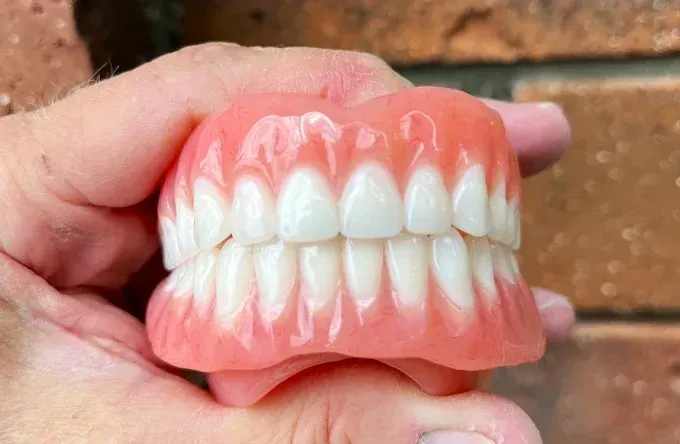
Proper denture care is essential for maintaining strong appliances and protecting your gums. Regular checkups at a trusted dental office can help catch small issues before they turn into larger problems.
We recommend:
Handling dentures carefully
Avoiding dropping them on hard surfaces
Keeping them clean daily
Scheduling regular dental visits
Addressing cracked dentures immediately
Taking these steps protects your dentures and supports overall oral health, especially for patients with missing teeth who rely on dentures for daily function.
Frequently Asked Questions
Can all dentures be repaired the same day?
Most can. Simple cracks, missing teeth, small fractures, and partial clasp repairs are typically handled with same-day denture repairs.
Is a denture repair kit safe to use?
Store-bought denture repair kits can cause misalignment, weak joints, and long-term damage. Professional repairs are much safer and more durable.
How do I know if I need a reline or a rebase?
If your denture feels loose but is otherwise intact, a denture reline may be enough. If the base is damaged or worn, a rebase is often recommended.
Do you work with implant-supported dentures?
Yes. We offer repairs and adjustments for most implant-supported dentures, including tooth replacement and acrylic repairs.
Schedule Your Denture Repair Today
If you’re dealing with broken dentures, cracked acrylic, or a poor denture fit, don’t wait. Quick action can prevent further damage and protect your oral health.
Contact us today to learn more about our denture repair services, including same-day denture repair and emergency denture repair options. We’re here to provide fast, professional solutions so you can get back to smiling, speaking, and eating with confidence.